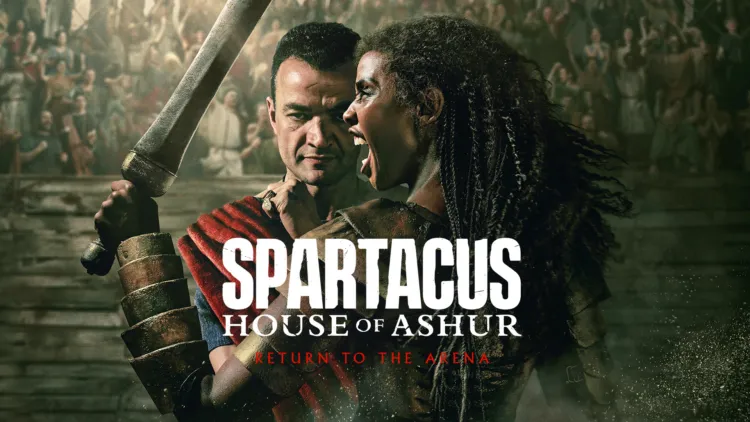
Spartacus: House of Ashur
The Spartacus franchise returns to New Zealand, where ancient Rome is re‑imagined through scale, spectacle and world‑class screen craft.
International Production
Series
2025
Period Drama, Romance, Biography, Action & Adventure, Drama
60 minutes
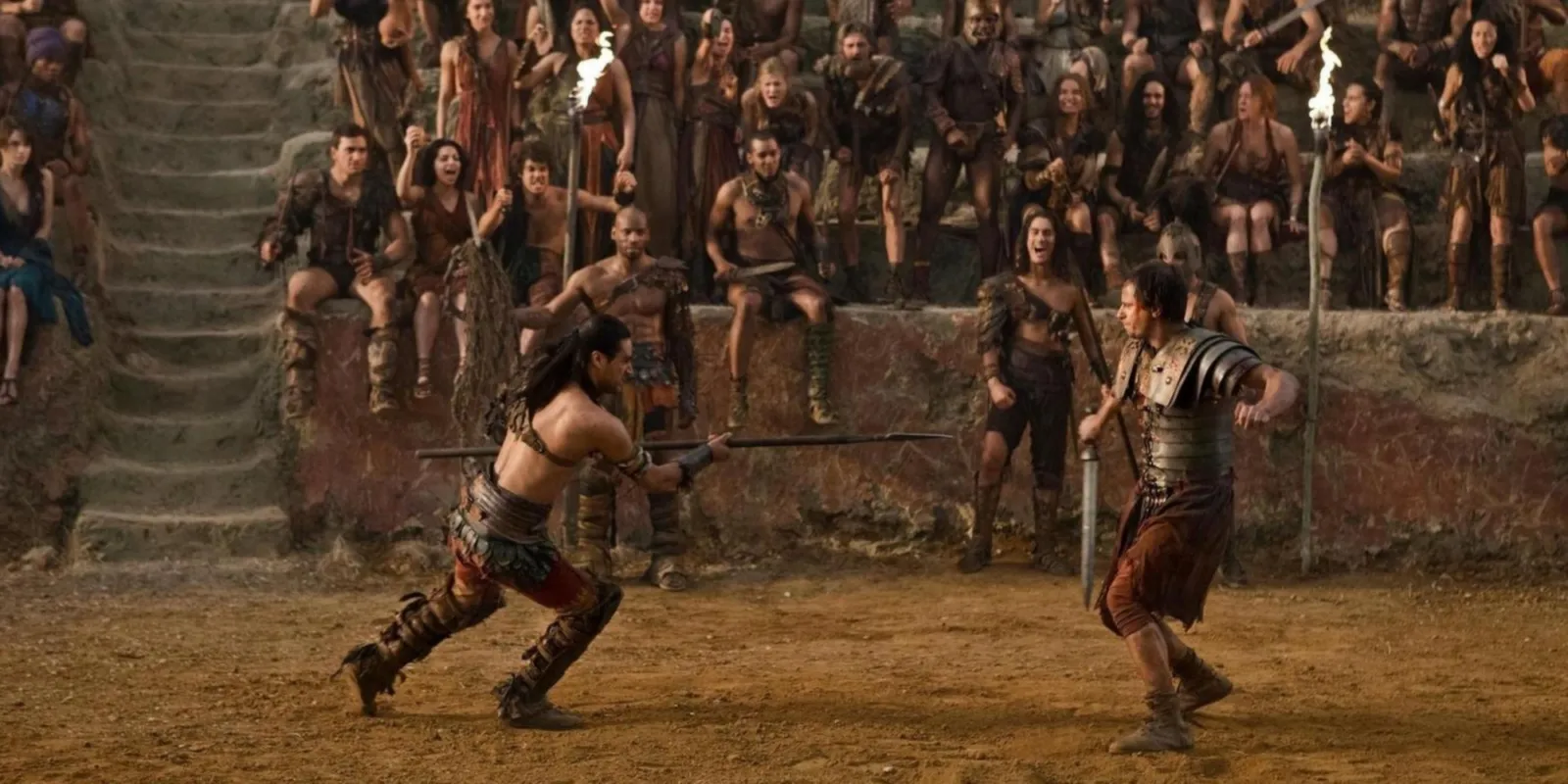
Filmed extensively in New Zealand, Spartacus: House of Ashur draws on the country’s long‑standing relationship with the Spartacus franchise. Large‑scale sets, demanding action sequences and stylised combat were supported by experienced local crews accustomed to high‑intensity, long‑form drama. The result is a richly textured world that feels expansive, visceral and unmistakably cinematic — reinforcing New Zealand’s reputation as a trusted home for ambitious, global television.
Filmed entirely across Aotearoa New Zealand.
Nearly 900 crew, majority local to New Zealand.
Purpose‑built sets inside New Zealand studios.
Post and VFX almost entirely completed by New Zealand vendors.
World-famous Franchise, Grounded in Aotearoa
When Spartacus returned to television, it returned to New Zealand.
The decision was grounded in trust. Built over years of successful delivery by Kiwi filmmakers who helped define the franchise’s look, tone, and ambition from the beginning. For the studio and creative team, coming back meant continuity, confidence, and creative alignment.
This wasn’t about starting over. It was about reuniting a proven team and building forward, knowing New Zealand had already shown it could deliver Spartacus at scale, under pressure, and to global audiences.
“The success of Spartacus is because of Kiwi filmmakers. Spartacus can’t be made anywhere else but New Zealand.”
— Rick Jacobson, Executive Producer
An End‑to‑End Screen Ecosystem
Craft That Carries a Production from First Build to Final Frame
Every world seen on screen in Spartacus: House of Ashur was built from the ground up. With no legacy assets to draw from, New Zealand teams designed, constructed, and finished the entire environment — from studios and sets to costumes, armour, and prosthetics — within demanding timeframes. This was large‑scale craft delivered with precision, discipline, and speed.
To support that pace without sacrificing detail, specialist workshops were established in‑house, enabling rapid iteration and close creative collaboration. Costumes were stitched, not simplified; prosthetics were developed on site and refined in real time. Studio partners noted not just the scale of the work, but the depth of finish — craftsmanship that didn’t merely replicate the original series, but elevated it.
That same standard carried through to post‑production. With visual effects and finishing work completed largely in New Zealand, the production drew on a screen ecosystem that has matured over decades — combining experienced heads of department with a new generation stepping into leadership. The result is an end‑to‑end industry capable of sustaining ambitious television, from first sketch to final delivery.
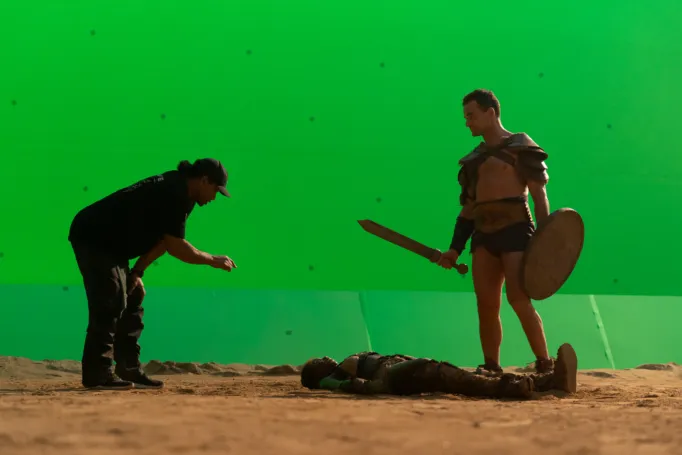
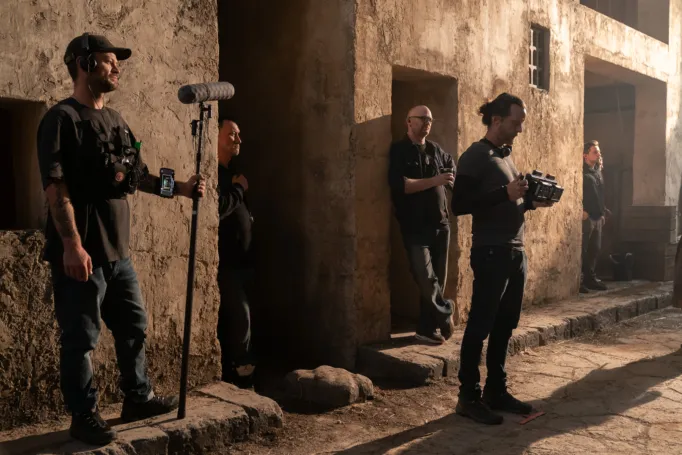
Crew, Extras, and Collaboration at Full Strength
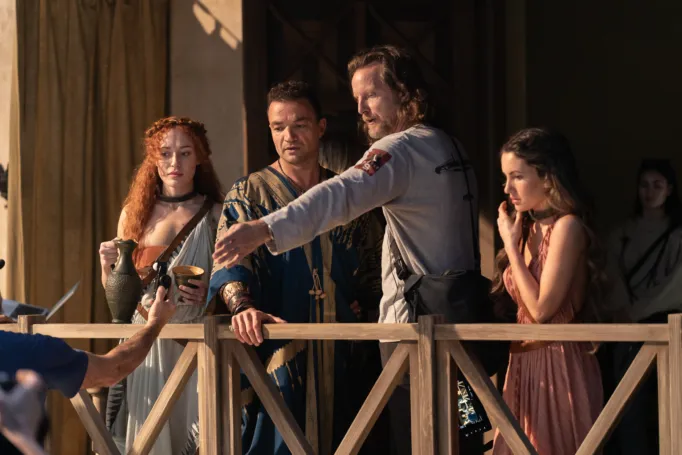
Spartacus: House of Ashur was delivered by a large, highly coordinated New Zealand workforce operating across multiple units and departments. Hundreds of crew worked in step, from production and accounting through to costume, props, and set construction, creating a stable foundation for a complex, long‑form series.
Extras were central to the spectacle. Thousands of days of paid work were generated for local performers, with large arena scenes bringing hundreds of people together on set at once. Managed smoothly and with care, this scale speaks to New Zealand’s ability to mobilise people quickly — and do it well.
Producers
Chloe Smith
Charles Knight
Aaron Lam
Executive Producers
Steven S. DeKnight
Sam Raimi
Production Company

Production Company

Discover the powerful stories and breathtaking visuals brought to life by our talented New Zealand and International filmmakers.
-

God Bless You, Mr Kopu
Feature 2026 Thriller ComedyNew Zealand Complete -
Tenzing
Feature 2026 Drama AdventureInternational Complete -
Mum, I’m Alien Pregnant
2026 ComedyNew Zealand Complete -
Heart of the Beast
Feature 2026 Action Adventure Drama Thriller -
Avatar: Fire and Ash
Feature 2025 Sci-Fi & FantasyInternational New Release -
The Wrecking Crew
Feature Action ComedyInternational Released -
Spartacus: House of Ashur
Series 2025 Period Drama Romance Biography Action & Adventure DramaInternational Complete -
A Minecraft Movie
Feature 2025 Action & Adventure ComedyInternational Released -
Predator: Badlands
Feature 2025 Sci-Fi Action HorrorInternational Advanced Development -
Heart Eyes
Feature 2025 HorrorInternational Released -
Chief of War
Series 2025 Historical DramaInternational New Release -
Zombies 4: Dawn of the Vampires
Feature 2025 Romance Musical Adventure Family ComedyInternational Released