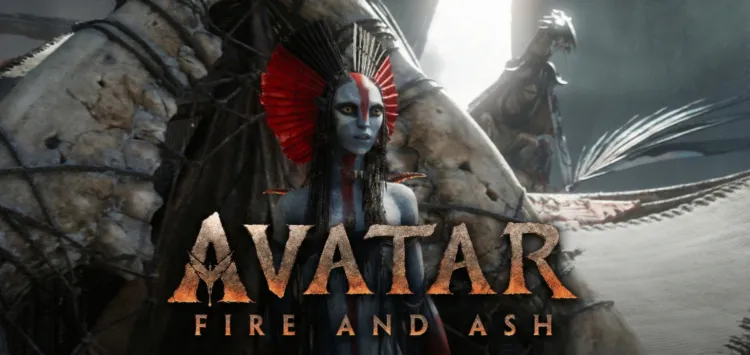
Avatar: Fire and Ash
As audiences return to Pandora, Avatar continues its creative home in New Zealand
International Production
Feature
2025
Sci-Fi & Fantasy
195 minutes
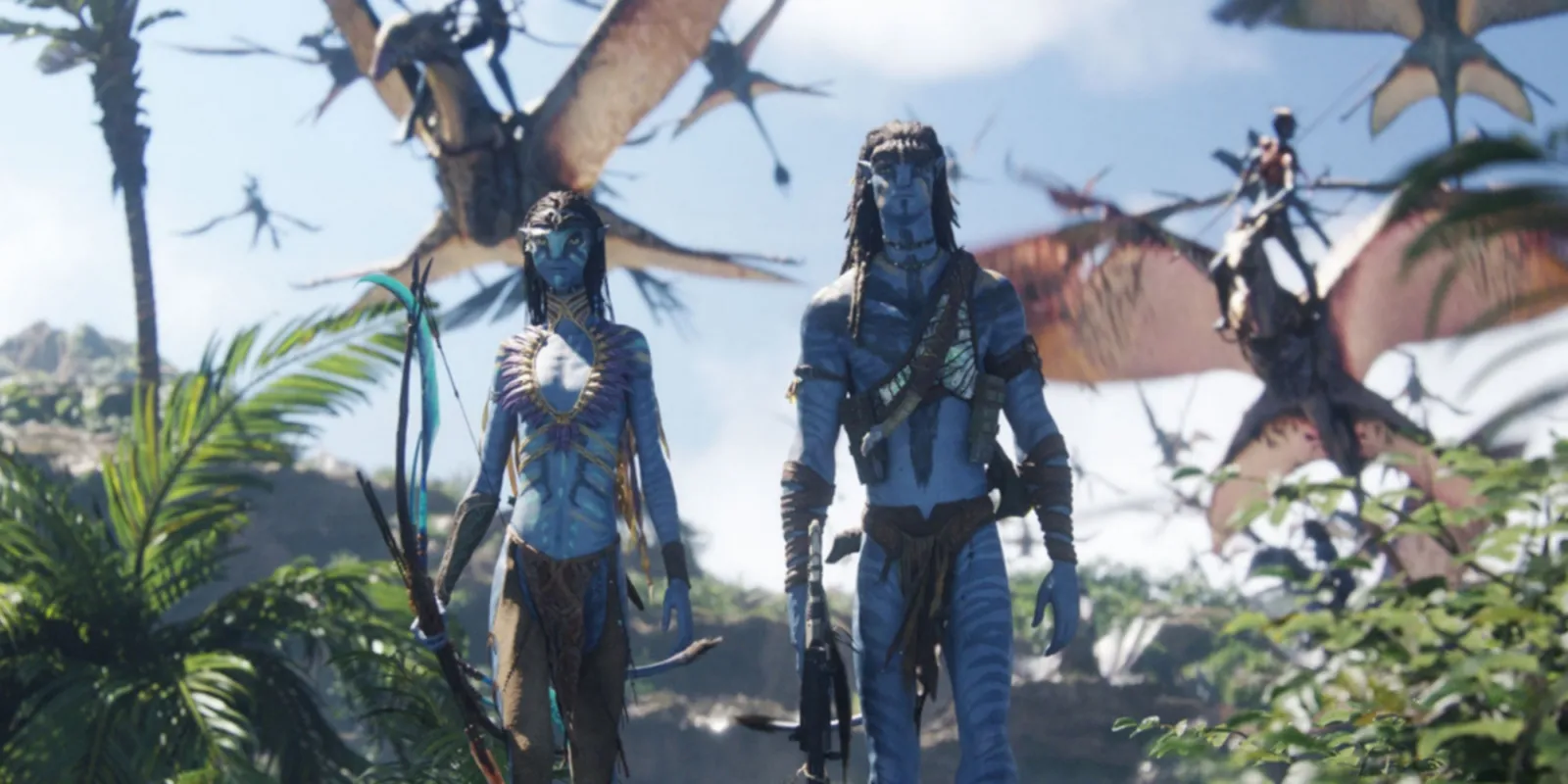
Avatar: Fire and Ash was filmed predominantly in Aotearoa New Zealand, continuing the franchise’s deep partnership with New Zealand’s screen industry. Shot alongside Avatar: The Way of Water over 18 months, the production engaged more than 1,500 New Zealand crew across live action, performance capture, stunts, and virtual production. The country’s world-class talent, facilities, and collaborative spirit have made it an ideal base for this box office record breaking juggernaut.
Bought to life at Stone Street Studios in Wellington
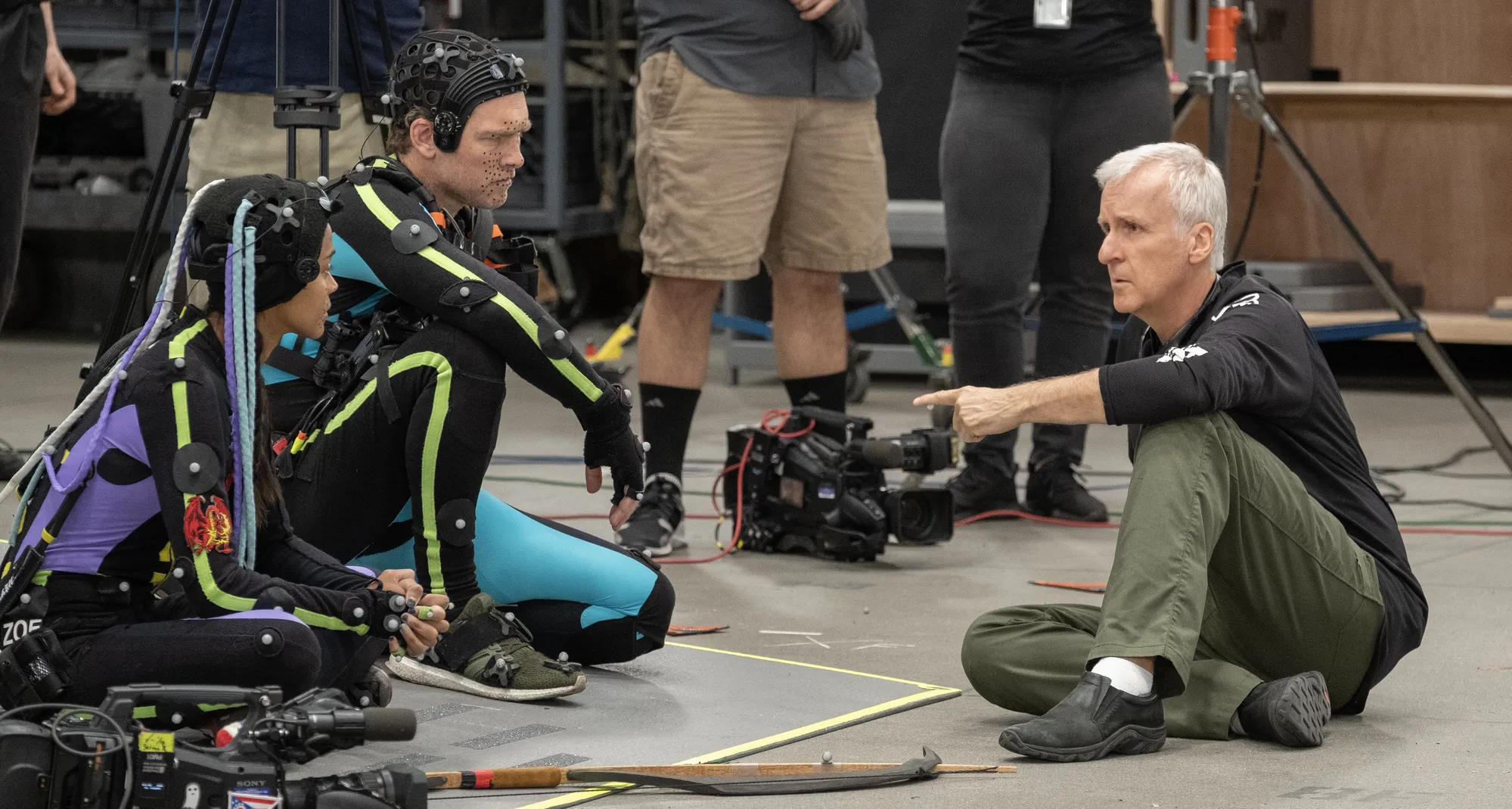
Advanced technology was developed for under water motion capture
Over 92% New Zealand crew powering production
Motion capture, visual effects, and post-production services delivered in New Zealand
Pandora is Aotearoa New Zealand
Avatar: Fire and Ash makes extensive use of Wellington’s Stone Street Studios and New Zealand’s advanced performance‑capture stages, alongside the world‑leading expertise of Wētā FX, once again delivering the Avatar franchise’s groundbreaking visual effects. Together, this combination of infrastructure and talent enables innovation at scale, from intimate performance to epic world‑building.
New Zealand’s strength lies not in a single capability, but in how technology, craft, and collaboration come together. That integrated approach continues to shape the evolving visual language and emotional power of the Avatar series, setting new benchmarks with each film.
Why New Zealand stands out
- World‑class infrastructure: Stone Street Studios and Wētā FX are internationally recognised for technical innovation and creative excellence.
- Exceptional local talent: With 92% of the crew based in New Zealand, the production draws on a highly skilled, adaptable workforce.
- Competitive screen incentives: The NZ Screen Production Rebate (International) offers a straightforward cash incentive, with strong value driven by the New Zealand dollar.
- Pioneering underwater performance capture: Custom technology and specialist freediving expertise enabled unprecedented realism in aquatic scenes.
- Extraordinary natural inspiration: New Zealand’s volcanic landscapes helped inspire the fiery regions of Pandora.
“Nobody does the visual effects capture finishing work better than Wētā, and that is because of that iterative relationship between the production and the visual effects house with the technology and creative feeding back and forth."
/ Rae Sanchini
Filming in New Zealand: A Creative Home
“On Avatar, we thought of New Zealand as our second home, but it might actually be our first home now,” says Executive Producer Rae Sanchini. “Jim [Cameron] is now officially a New Zealand citizen. Filming there has been absolutely fantastic. The crews have been great, and the people are lovely to deal with. Wētā, our primary visual effects house, is, of course, based there, so it makes all the communication between Jim, who lives in Wellington, and the supervisors at Wētā much more fluid and immediate. And Stone Street Studios, where we film live action, is practically in the heart of Wellington.”
New Zealand’s contribution goes beyond logistics; it’s about creative synergy. The local crews are praised for their artistry, adaptability, and passion for filmmaking, helping to bring Cameron’s vision to life.
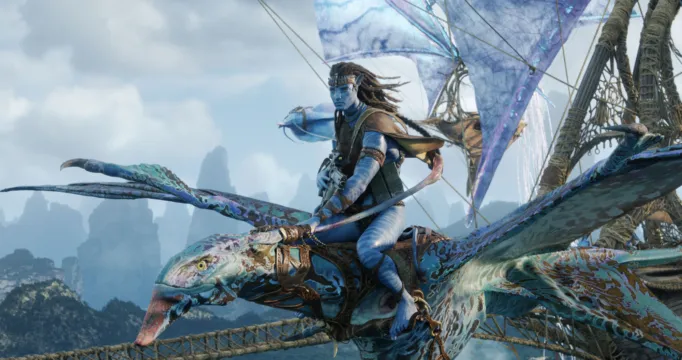
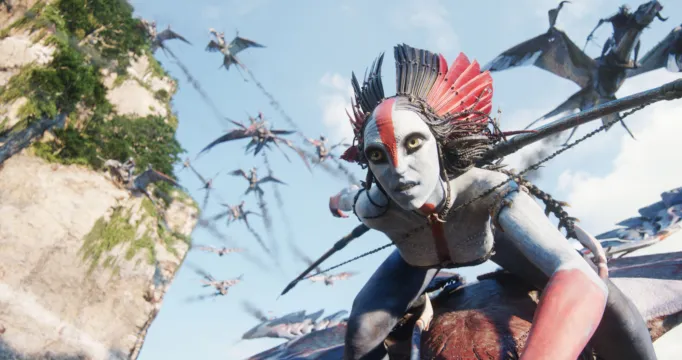
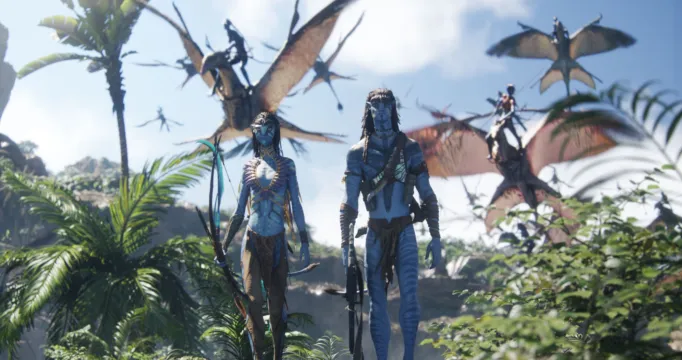
Pioneering Technology: Performance Capture & Virtual Production
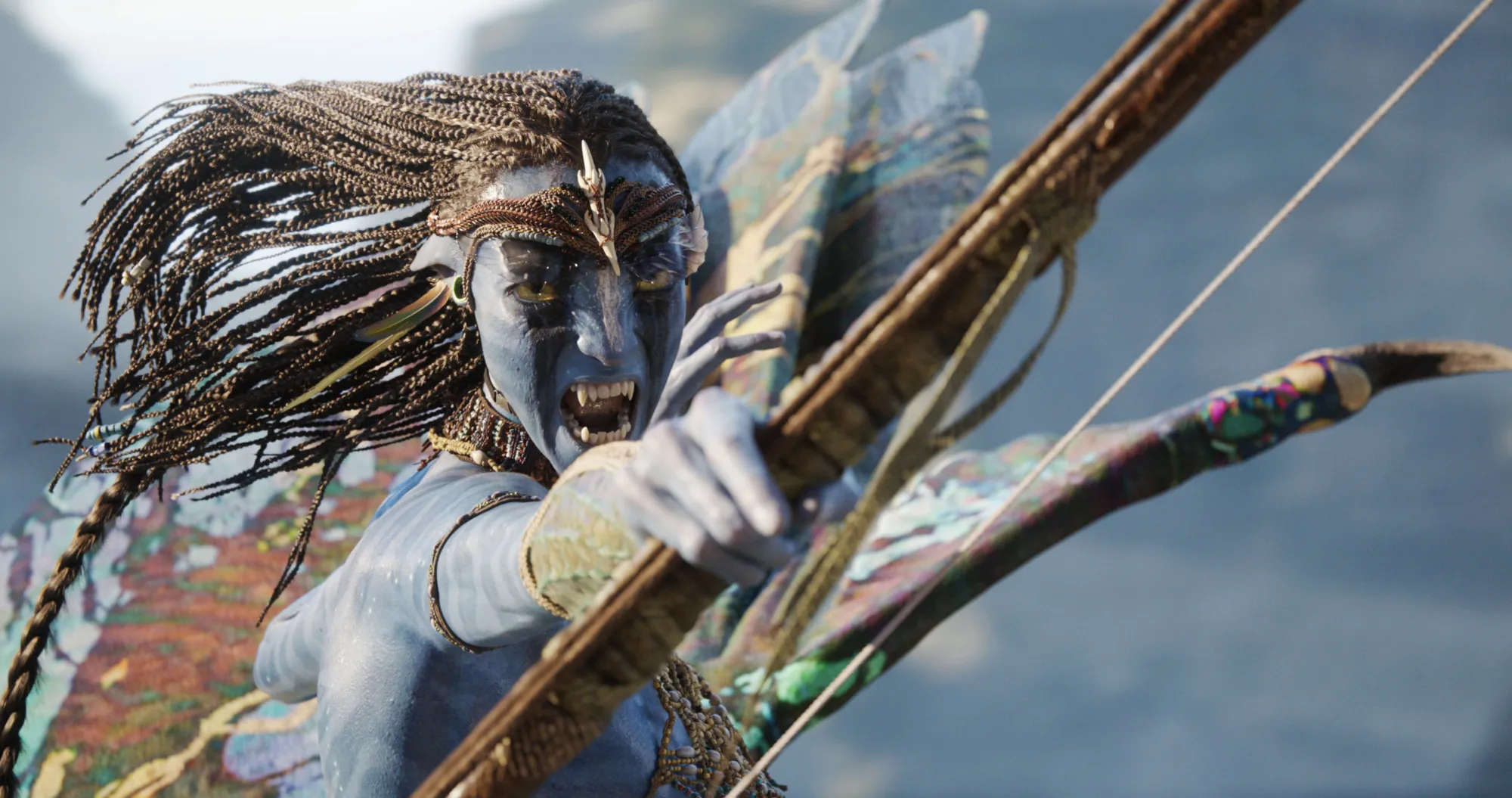
The Avatar films are renowned for their technological innovation, particularly in performance capture and virtual production, techniques that translate actors’ real performances into fully realised digital characters, preserving every movement, expression, and emotional beat.
“Avatar movies are not made by computers,” says James Cameron. “Avatar films are made by an incredibly talented team of people – especially our actors – who physically perform every scene. I worked with my cast on The Way of Water and Fire and Ash for almost 18 months. Every expression, every movement, every emotional beat comes from their real performances. And once we have that captured, our artists work tirelessly to bring those characters – and the entire world – to life.”
That evolution has been led by New Zealand’s Wētā FX, whose long‑standing collaboration with the filmmakers has continually pushed the boundaries of visual effects. The close, iterative relationship between artists and storytellers ensures a level of realism and emotional fidelity that defines the franchise.
Filming and post‑production in New Zealand have helped set the technical and creative benchmark for the Avatar films, demonstrating the country’s ability to support innovation at the highest level. Avatar: Fire and Ash stands as a clear example of what’s possible when visionary storytelling meets world‑class talent, reinforcing New Zealand’s position as a global centre for cinematic craft and innovation.
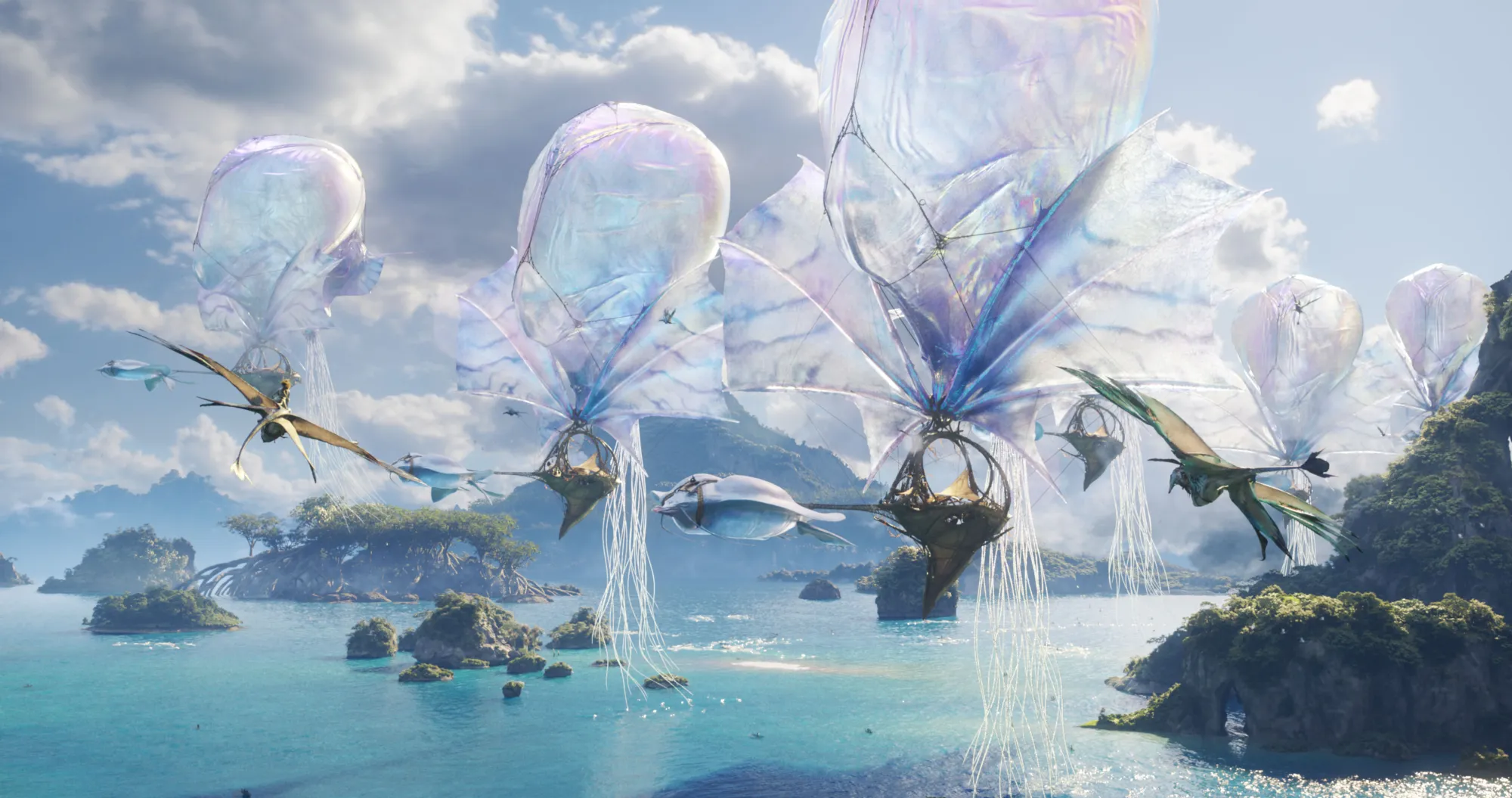
World‑Class Leadership Across Departments
Avatar: Fire and Ash showcases the exceptional strength of New Zealand–based Heads of Department working alongside leading international creatives. Cinematography was led by Russell Carpenter, with Production Design guided by Dylan Cole and Ben Procter, shaping the film’s visual language from concept to screen. Set Decoration was overseen by Vanessa Cole, while Deborah L. Scott led Costume Design, bringing depth, detail, and character to every frame.
Visual effects leadership came from Wētā FX’s world‑renowned team, including Joe Letteri, Eric Saindon, Daniel Barrett, and Nicky Muir, whose work continues to redefine what’s possible in cinematic storytelling. Editing was shaped by Stephen E. Rivkin, Nicolas de Toth, John Refoua, and Jason Gaudio, with James Cameron closely involved in the editorial process, and Simon Franglen composing the film’s score.
Together, these Heads of Department and creative leaders upheld the highest standards across every stage of production. Their collective expertise, grounded in New Zealand and connected globally, was critical to the film’s artistic, technical, and storytelling achievements.
Directors
James Cameron
Producers
James Cameron
Jon Landau
Screenplay Writers
James Cameron
Rick Jaffa
Amanda Silver
Shane Salerno
Co-Producers
Jamie Landau
Brigitte Yorke
Executive Producers
David Valdes
Cast
Sam Worthington
Jake
Jake
Zoe Saldaña
Neytiri
Neytiri
Sigourney Weaver
Kiri
Kiri
Stephen Lang
Quaritch
Quaritch
Oona Chaplin
Varang
Varang
Kate Winslet
Ronal
Ronal
Cliff Curtis
Tonowari
Tonowari
Joel David Moore
Norm
Norm
CCH Pounder
Mo'at
Mo'at
Edie Falco
General Ardmore
General Ardmore
Jemaine Clement
Dr. Gavin
Dr. Gavin
Jemaine Clement
Dr. Garvin
Dr. Garvin
Giovanni Ribisi
Selfridge
Selfridge
David Thewlis
Peylak
Peylak
Britain Dalton
Lo'ak
Lo'ak
Jack Champion
Spider
Spider
Crew
Giovanni Ribisi
Simon Franglen
|
Composer
Russell Carpenter
|
Cinematographer
Dylan Cole
|
Production Designer
Ben Procter
|
Production Designer
Rob Bavin
|
Art Director
Alister Baxter
|
Art Director
Simon Bright
|
Art Director
Ben Milsom
|
Art Director
Vanessa Cole
|
Set Decorator
Melissa Spicer
|
Props Master
Discover the powerful stories and breathtaking visuals brought to life by our talented New Zealand and International filmmakers.
-

God Bless You, Mr Kopu
Feature 2026 Thriller ComedyNew Zealand Complete -
Tenzing
Feature 2026 Drama AdventureInternational Complete -
Mum, I’m Alien Pregnant
2026 ComedyNew Zealand Complete -
Heart of the Beast
Feature 2026 Action Adventure Drama Thriller -
Avatar: Fire and Ash
Feature 2025 Sci-Fi & FantasyInternational New Release -
The Wrecking Crew
Feature Action ComedyInternational Released -
Spartacus: House of Ashur
Series 2025 Period Drama Romance Biography Action & Adventure DramaInternational Complete -
A Minecraft Movie
Feature 2025 Action & Adventure ComedyInternational Released -
Predator: Badlands
Feature 2025 Sci-Fi Action HorrorInternational Advanced Development -
Heart Eyes
Feature 2025 HorrorInternational Released -
Chief of War
Series 2025 Historical DramaInternational New Release -
Zombies 4: Dawn of the Vampires
Feature 2025 Romance Musical Adventure Family ComedyInternational Released